How often to water indoor planters is one of those questions that sounds like it should have a simple answer. Once a week? Every three days? Whenever the soil looks dry?
In reality, there isn’t one watering schedule that works for every indoor plant. The right timing depends on the plant, planter size, potting mix, light, temperature, humidity, and how quickly the growing medium dries.
For beginners, the most useful habit is not memorizing a schedule. It is learning how to check the plant and its growing medium before reaching for the watering can.
If you’re building your first indoor garden, this guide works alongside our Indoor Gardening Guide for Beginners, where we cover the wider basics of choosing plants, containers, light, and soil.
So, How Often to Water Indoor Planters?
For many common indoor plants, watering may be needed roughly every several days to a couple of weeks, but this is only a general reference.
Some plants may need water more frequently, especially when grown in small containers under bright light. Others, such as many succulents, can go considerably longer between waterings.
Instead of asking:
“What day should I water?”
A better question is:
“Does this plant need water right now?”
RHS guidance similarly recommends checking the moisture of the growing medium rather than following a fixed routine.
That small change in thinking can make indoor plant care much easier.
What Determines How Often You Need to Water?
Several factors influence how quickly a planter loses moisture.
1. Plant Type
Different plants have different water requirements.
A tropical foliage plant may prefer more consistent moisture, while many succulents and cacti generally prefer the growing medium to dry more between waterings.
Even plants that look similar can have different preferences, so it is worth checking the care requirements of the specific species or variety.
2. Planter Size
Small planters contain less growing medium than large containers.
This means a small pot can sometimes dry out faster, particularly when it is placed somewhere warm and bright.
On the other hand, a small planter in a cool, low-light room may remain moist for much longer.
The size of the container therefore matters, but it should not be considered on its own.
3. Potting Mix
The growing medium has a major effect on watering.
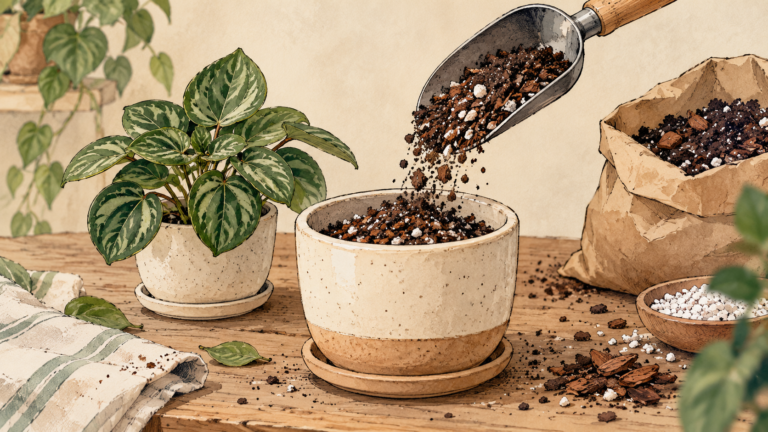
A mix designed to retain moisture will generally behave differently from a fast-draining mix intended for succulents.
This is one reason why choosing the right soil is important. If you want to understand the basics, see our guide to the best soil mix for indoor planters.
4. Light
Plants generally use water as part of their normal growth processes, and plants growing in brighter conditions may dry out more quickly.
A plant sitting beside a bright window can therefore have different watering needs from the same plant placed several feet away in a dimmer room.
5. Temperature and Humidity
Warm conditions can increase water loss, while cooler indoor conditions may slow it down.
Seasonal changes can therefore affect your watering routine even when the plant has not moved.
This is another reason not to rely on a watering calendar throughout the year.
6. The Type of Planter
Container material can also make a difference.
Terracotta, for example, is porous and can allow moisture to escape through the sides more readily than some glazed or plastic containers.
The shape and depth of a planter matter too. A shallow container may behave differently from a deeper one even when both hold a similar amount of growing medium.
How to Know When an Indoor Planter Needs Water
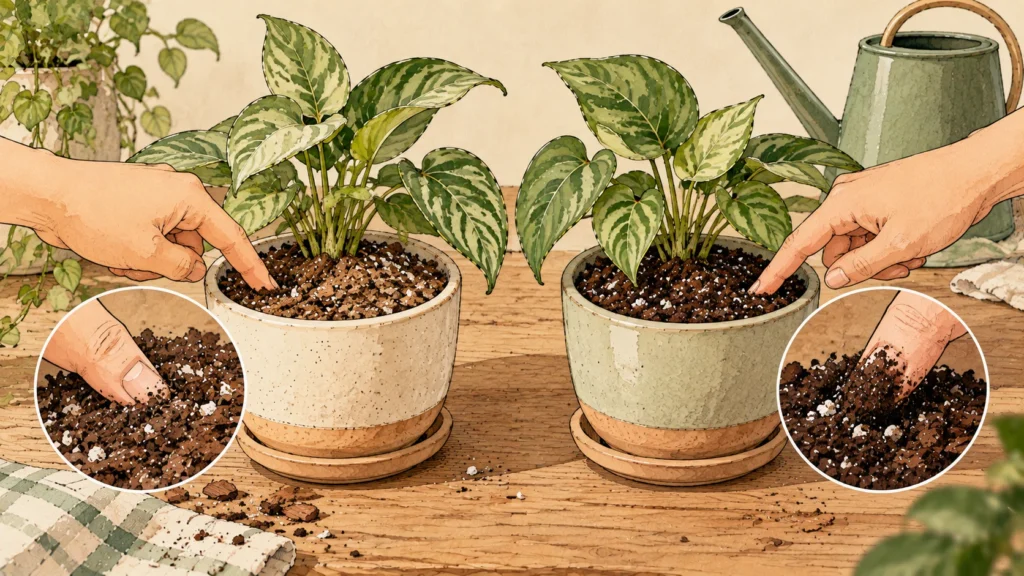
Checking the growing medium is usually more useful than checking the calendar.
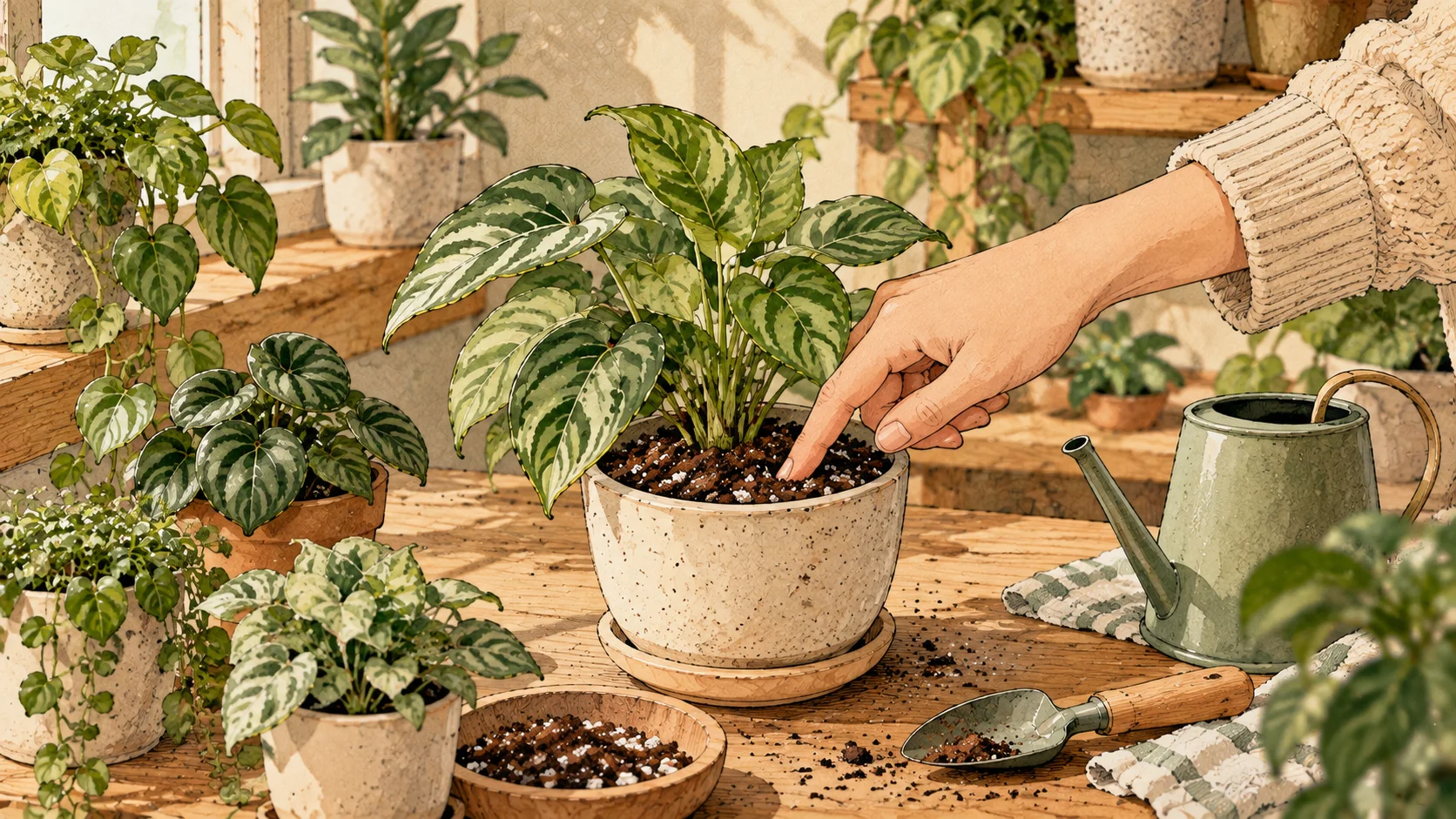
One simple method is to insert your finger into the potting mix and feel the moisture below the surface.
RHS recommends checking moisture roughly a third of the way down the pot when assessing container plants.
You can also pay attention to the weight of the planter.
A pot containing moist growing medium will generally feel heavier than one that has become quite dry. Over time, this can become surprisingly easy to recognize.
Don’t Judge Soil Only by Its Surface
The surface can look dry while moisture remains deeper in the pot.
This is particularly important with deeper containers.
Likewise, a dark-looking surface does not necessarily mean the entire root area is adequately moist.
Checking a little below the surface gives you a better idea of what is actually happening around the roots.
Should You Water Indoor Plants on a Schedule?
A schedule can be useful as a reminder to check your plants.
It is less useful as a rule that says every plant must be watered on the same day.
For example, you might check your small planters every few days. Some will need water, while others may still be comfortably moist.
This approach takes only a little more attention but avoids treating every plant as if it has identical needs.
Penn State Extension also notes that watering requirements depend on factors including plant type, soil, season, growth stage, and location.
How to Water a Small Indoor Planter
When a plant actually needs water, the way you water matters too.
Water Slowly
Pouring water slowly gives the growing medium more opportunity to absorb it rather than allowing water to run quickly across the surface.
Water the Growing Medium
Aim the water toward the potting mix rather than deliberately soaking the foliage.
This places the water closer to where the roots can use it.
Allow Excess Water to Drain
For containers with drainage holes, water should be able to leave the bottom of the planter.
You generally want the growing medium thoroughly moistened without leaving the roots sitting in standing water.
RHS recommends watering containers thoroughly and allowing excess water to escape through drainage holes.
Empty the Saucer
If water collects in a saucer underneath the planter, avoid leaving the container sitting in it for an extended period.
UMN Extension notes that most container plants prefer moist rather than soggy conditions and recommends emptying saucers to prevent prolonged waterlogging.
How Often Should You Water Small Planters Compared With Large Pots?
Small planters can sometimes need checking more frequently because they contain less growing medium.
But this does not mean every small planter needs daily watering.
Consider two identical plants:
- One is in a small terracotta pot near a sunny window.
- The other is in a slightly larger container in a cooler room.
The first may dry considerably faster.
This is why container size should be considered together with light, material, soil, and plant type.
A small planter is not automatically a high-water planter.
What About Succulents and Cacti?
Succulents and cacti are a good example of why a universal watering schedule doesn’t work.
Many of these plants store water in their leaves, stems, or roots and generally prefer a faster-draining growing medium.
They often do better when the growing medium is allowed to dry more thoroughly between waterings than it would for many tropical foliage plants.
That does not mean they should be ignored indefinitely.
Check the plant and growing medium, consider its light and temperature, and water when its requirements indicate that it is needed.
Signs You May Be Watering Too Much
Overwatering is not simply about using a large amount of water once.
Repeatedly watering while the growing medium is still wet can keep the root environment overly saturated.
Possible warning signs include:
- Soil staying wet for a long time
- Yellowing leaves
- Soft or weak growth
- Persistent wilting despite wet soil
- Unpleasant odors from the growing medium
- Root problems
These symptoms can have several causes, so they should not automatically be interpreted as proof of overwatering.
If something looks wrong, check the plant’s light, soil, roots, container, and watering history before making a diagnosis.
Signs Your Plant May Need More Water
Plants that are becoming too dry may show signs such as:
- Drooping leaves
- Dry or crispy leaf edges
- Very light or dry potting mix
- A noticeably lighter container
- Leaves losing their usual firmness
Again, one symptom does not tell the whole story.
Some plants naturally droop at certain times of day, and some leaves naturally age and change color.
Look for a pattern rather than reacting to one leaf.
A Simple Watering Routine for Beginners
If you’re not sure where to start, keep your routine simple.
Step 1: Check Your Plants
Look at the leaves and growing medium.
Step 2: Feel the Soil
Check below the surface rather than relying only on appearance.
Step 3: Consider the Plant
Ask whether this particular plant prefers to stay evenly moist or dry more between waterings.
Step 4: Water if Needed
Water slowly and thoroughly enough to moisten the growing medium.
Step 5: Let Excess Water Drain
Make sure the planter and saucer are not keeping the roots submerged.
Step 6: Check Again Later
Notice how quickly the pot dries in its particular location.
After a few weeks, you’ll have a much better idea of how your own indoor environment affects your plants.
Can Self-Watering Planters Help?
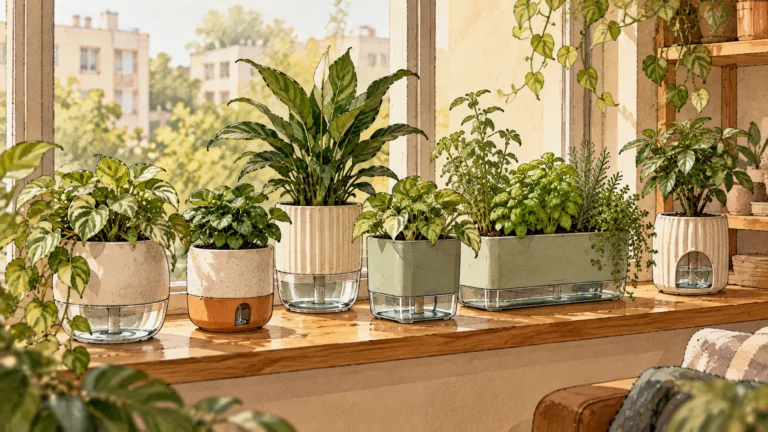
If remembering to check your plants is difficult, a self-watering planter can be another option.
These planters are designed to provide water to the growing medium from a reservoir or similar system, reducing the need for frequent manual watering in some situations.
However, they are not automatically suitable for every plant.
Plants with very different moisture preferences may still require different approaches.
If you’re interested in this option, our related guide on self-watering planters and how they work covers the basic idea and what to consider before choosing one.
The Biggest Watering Mistake to Avoid
If there is one habit worth changing, it is this:
Don’t water simply because it is watering day.
A plant doesn’t know what day of the week it is.
Its water needs change with its environment.
Instead, use your schedule as a reminder to check the plants. Then let the condition of the growing medium and the needs of the plant determine whether watering is actually necessary.
This approach is simple, but it becomes much more useful as your collection grows.
Final Thoughts
Learning how often to water indoor planters is less about finding the perfect number of days and more about learning to read your plants.
Start by checking the growing medium, consider the type of plant and planter, and pay attention to how quickly the pot dries in its particular location.
You may eventually notice that one plant needs water every few days while another can go much longer.
That’s normal.
The goal isn’t to make every plant follow the same schedule. It is to understand what each one needs and build a simple routine around that.
For more beginner fundamentals, return to our Ultimate Indoor Gardening Guide for Beginners.